 05 Mar 2021
A Complete Guide to Invisalign
Invisalign offers a clear, removable way to straighten teeth without the brackets and wires used with traditional braces. Custom aligners gradually move your teeth into their planned positions while letting you remove them to eat, brush, and floss. For adults and teens considering treatment, this complete guide to Invisalign covers how Invisalign works, who may be a good candidate, how it compares with braces, treatment costs, and what to expect along the way.
At Trillium Smile Dentistry in Mississauga, Dr. Zahra Tousi is a GoldPlus Invisalign Provider. Each treatment plan is personalized to the patient’s teeth, bite, oral health, and smile goals, so you can understand your options before deciding whether Invisalign is right for you.
What Is Invisalign?
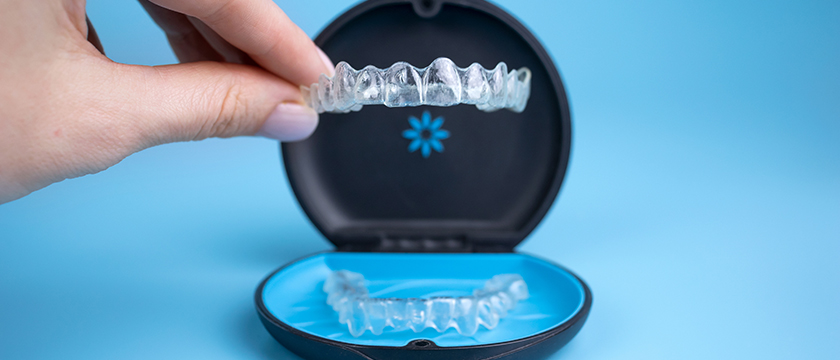
Invisalign is an orthodontic treatment that uses a series of custom-made clear aligners to gradually move teeth into planned positions. Unlike traditional braces, Invisalign does not rely on fixed metal brackets or wires. Instead, each aligner fits closely over your teeth and applies controlled pressure to specific areas, helping guide your teeth through a carefully planned sequence of movements.
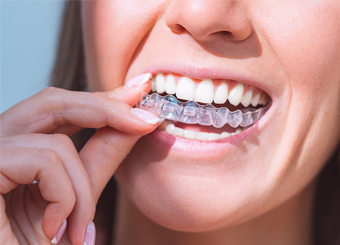
Most patients wear their aligners for 20 to 22 hours per day, removing them for eating, brushing, and flossing. Depending on your personalized treatment plan, you will typically move to a new set of aligners every one to two weeks. Each new set continues the progress made by the previous aligners.
Because the aligners are removable and discreet, Invisalign can fit comfortably into everyday routines. You can continue eating the foods you enjoy, brush and floss normally, and attend work, school, or social events without the appearance of metal braces.
Learn more about Invisalign in Mississauga and how treatment is personalized at Trillium Smile Dentistry.
Invisalign for Adults and Teens
Invisalign can be an option for both adults and teens who want to improve their tooth alignment without the appearance and daily considerations associated with traditional braces. While the treatment principles are similar, the benefits can be particularly appealing at different stages of life.
Invisalign for Adults
Invisalign for adults offers a discreet approach to orthodontic treatment that can fit naturally into professional, social, and family life. The clear aligners are designed to be less noticeable than metal braces, which may appeal to adults who regularly attend meetings, work with clients, participate in events, or simply prefer a more subtle treatment.
Because the aligners are removed for meals, there are no braces-related restrictions on what you can eat. You can continue enjoying foods that might otherwise be difficult with brackets and wires, provided you remove your aligners first and clean your teeth before putting them back in.
Removable aligners also make brushing and flossing more straightforward. For adults interested in improving several aspects of their smile, Invisalign may form part of a broader cosmetic dentistry treatment plan.
Invisalign for Teens
Invisalign for teens provides many of the same benefits while accommodating school, social activities, sports, and other parts of a busy teenage routine. The discreet appearance can help teens feel more comfortable during orthodontic treatment, particularly when taking photos, attending events, or spending time with friends.
Aligners can also be removed when necessary for activities such as contact sports and wearing an appropriate protective mouthguard. Certain teen aligners may include compliance indicators that help patients, parents, and their dental team monitor wear.
Consistent wear remains essential. Teens should generally wear their aligners for 20 to 22 hours each day to keep treatment progressing according to plan.
Invisalign vs Braces: What Is the Difference?
Both Invisalign and traditional braces can effectively correct many orthodontic concerns. The right choice depends on factors such as the complexity of the case, your oral health, your treatment goals, and your lifestyle preferences.
Here is a quick look at Invisalign vs braces:
| Feature | Invisalign | Traditional Braces |
|---|---|---|
| Appearance | Clear aligners are discreet when worn | Metal brackets and wires are more noticeable |
| Removability | Removable for meals and oral hygiene | Fixed to the teeth throughout treatment |
| Diet Restrictions | No braces-related food restrictions because aligners are removed for eating | Hard, sticky, and chewy foods may need to be avoided |
| Oral Hygiene | Aligners can be removed for regular brushing and flossing | Cleaning requires extra attention around brackets and wires |
| Office Visits | Regular progress appointments monitor tooth movement and aligner fit | Regular appointments are needed for adjustments and monitoring |
Comfort is another consideration for many patients. Invisalign aligners have a smooth surface and do not have metal brackets or wires that can irritate the inside of the cheeks. Some pressure or tenderness is still normal when beginning a new set of aligners because your teeth are actively moving.
Traditional braces remain an effective and important orthodontic option, particularly for certain complex cases. Choosing between the two should not be based on appearance alone. A professional assessment allows your dentist to evaluate your bite and tooth positions before recommending the treatment approach most appropriate for you.
How Does Invisalign Work?
If you are wondering how Invisalign works, the process combines digital treatment planning with a sequence of custom aligners designed to make gradual, controlled tooth movements. Rather than moving all your teeth at once, each aligner is designed to accomplish specific changes before you progress to the next stage.
- Consultation and digital assessment: Dr. Tousi assesses your teeth, gums, bite, and alignment concerns. Digital scanning creates a detailed 3D model that can be used to plan the intended tooth movements.
- Personalized aligners are created: Based on your digital treatment plan, a series of custom clear aligners is produced. Each aligner represents another stage in the progression toward your planned result.
- Wear each aligner as directed: Each set is typically worn for one to two weeks and for approximately 20 to 22 hours every day. Aligners are removed for eating, brushing, and flossing.
- Your smile gradually changes: Each aligner builds on the movement achieved by the previous set. Treatment may take approximately 6 to 18 months, although the actual timeline depends on your individual case.
- Regular monitoring keeps treatment on track: Dr. Tousi monitors your progress at scheduled checkups, evaluates how your teeth are responding, checks aligner fit, and recommends adjustments when necessary.
Consistency plays an important role throughout treatment. Wearing your aligners for fewer than the recommended number of hours can affect how closely your teeth follow the planned movements and may extend your overall treatment time.
Patients may experience mild pressure or tenderness for a few days after switching to a new aligner. This is generally expected as the new aligner begins applying pressure to guide the next stage of tooth movement.
Who Is a Good Candidate for Invisalign?
Many adults and teens may be candidates for Invisalign, but suitability is determined through an individual dental and orthodontic assessment. Invisalign has developed considerably over the years and can now address a broad range of alignment and bite concerns.
Invisalign may be used to address:
- Crowded or crooked teeth
- Gaps between teeth
- Overbite
- Underbite
- Crossbite
- Certain open bite concerns
Beyond appearance, improving tooth alignment may also make some areas easier to clean and help support a more balanced bite.
Healthy teeth and gums are important before orthodontic treatment begins. If cavities, active gum disease, or another oral health concern is identified during your assessment, your dentist may recommend addressing it before starting Invisalign. This helps create a healthier foundation for orthodontic treatment.
It is also important not to rule yourself out based on age or how your teeth currently look. Adults who have lived with crowding or bite concerns for many years may still have treatment options, and teens can also benefit from clear aligner therapy when appropriate.
More complex orthodontic cases may require a different treatment approach. A consultation with Dr. Tousi allows you to understand what Invisalign could realistically achieve for your particular smile.
Invisalign Cost in Mississauga
The cost of Invisalign in Mississauga varies from patient to patient because every treatment plan is personalized. Rather than using one standard price for everyone, the total cost reflects the amount and complexity of orthodontic correction required.
Factors that can influence cost include the complexity of tooth movement, the number of aligners required, your expected treatment duration, and your individual orthodontic needs. A relatively minor alignment concern may require a different treatment plan than a case involving several bite or spacing issues.
At Trillium Smile Dentistry, your recommended treatment and associated costs are reviewed with you before treatment begins. This gives you an opportunity to understand what is included, ask questions, and consider your payment options before making a decision.
Flexible payment plans are available to help spread the cost of treatment over time, and the practice offers direct insurance billing. Some employer-sponsored and private dental insurance plans include orthodontic benefits that may provide partial Invisalign coverage. Coverage varies considerably, so it is important to review your individual policy and any applicable orthodontic lifetime maximum.
OHIP does not cover routine Invisalign treatment for adults. The Canadian Dental Care Plan also has specific eligibility and coverage requirements. Our team can help you understand your available options when planning your care.
Book Your Complimentary Invisalign Consultation
 If you are considering Invisalign, a personalized assessment is the best way to find out whether clear aligners are appropriate for your teeth, bite, and treatment goals.
Book a complimentary consultation with Dr. Zahra Tousi at Trillium Smile Dentistry. As a GoldPlus Invisalign Provider, Dr. Tousi provides individualized treatment planning for adults and teens considering Invisalign in Mississauga.
Our practice welcomes patients from Mississauga, Oakville, Brampton, Milton, and surrounding communities. Book your Invisalign consultation today to discuss your smile goals, treatment options, expected timeline, costs, and next steps.