 10 Sep 2021
Many people assume dentistry mainly focuses on fixing problems such as cavities or gum disease. In reality, modern dental care places a strong emphasis on prevention. Patients often ask what preventive dentistry is and how it helps protect long-term oral health.
Preventive dentistry focuses on maintaining healthy teeth and gums through consistent home care and regular dental visits. Professional exams, cleanings, and screenings allow dentists to identify potential problems early and treat them before they become serious.
At Trillium Smile Dentistry, preventive care is a key part of helping patients maintain strong, healthy smiles for life. Through services like preventive dentistry and comprehensive dental care, our team supports patients in Mississauga with personalized, proactive dental care.
The Importance of Preventive Dentistry
The importance of preventive dentistry lies in its ability to stop dental problems before they begin. Regular checkups and daily oral hygiene help reduce plaque buildup, prevent cavities, and keep gums healthy.
When preventive care becomes part of your routine, many common dental conditions can be avoided, including tooth decay, gum disease, enamel erosion, and infections. Preventing these issues early can help patients avoid more complex procedures such as root canals, crowns, or tooth extractions.
Preventive dental care also supports overall health. Research has shown connections between oral health and conditions such as heart disease, diabetes, and respiratory illness. By maintaining healthy teeth and gums, patients can reduce inflammation and support their overall well-being.
Professional examinations also allow dentists to detect issues early through modern diagnostic tools. Regular dental visits combined with good home care habits create the foundation for lifelong oral health.
What Happens During a Dental Cleaning?
Many patients wonder what happens during a dental cleaning and why it is such an important part of preventive care. A professional cleaning removes plaque and tartar that cannot be eliminated through brushing and flossing alone.
A typical dental cleaning begins with a brief oral examination. During this step, a dentist or dental hygienist checks the teeth and gums for signs of cavities, inflammation, or other concerns.
Next comes scaling, which removes plaque and hardened tartar from the teeth using specialized dental instruments. This process helps prevent gum disease and tooth decay by eliminating harmful bacteria.
After scaling, the teeth are polished using a professional polishing paste and a rotating dental tool. Polishing smooths the tooth surface and helps remove minor stains.
The hygienist then flosses carefully between each tooth to remove any remaining plaque or debris. Patients usually rinse afterward to clear away particles from the mouth.
In some cases, fluoride treatment may be applied to strengthen enamel and reduce the risk of cavities. Dental X-rays may also be taken periodically to detect problems that are not visible during a visual exam.
Regular cleanings help maintain oral health and are an essential part of preventive dentistry.
What Causes Tooth Decay?
Understanding what causes tooth decay helps patients take steps to prevent cavities. Tooth decay occurs when bacteria in the mouth produce acids that damage the enamel, which is the hard outer layer of the teeth.
The process begins when plaque, a sticky film of bacteria, forms on the surface of the teeth. When sugars or refined carbohydrates are consumed, bacteria feed on these substances and produce acids as a byproduct.
These acids gradually weaken and dissolve tooth enamel. Over time, this damage can create small holes in the tooth surface known as cavities.
Several factors contribute to tooth decay, including poor oral hygiene, frequent consumption of sugary foods or drinks, and inadequate fluoride exposure. When plaque is not removed regularly through brushing and flossing, bacteria continue producing acids that accelerate the decay process.
Regular dental cleanings and examinations play an important role in identifying early signs of decay and preventing further damage.
Stages of Tooth Decay Explained
Tooth decay develops gradually and progresses through several stages if it is not treated. Understanding the stages of tooth decay helps patients recognize why early prevention and treatment are so important.
Enamel Demineralization
The earliest stage of decay occurs when acids begin to weaken the enamel. At this stage, small white spots may appear on the teeth as minerals are lost from the enamel surface. Early intervention and good oral hygiene can sometimes help remineralize the enamel.
Enamel Decay
If the process continues, the enamel begins to break down and form a cavity. At this point, professional treatment is often required to prevent the damage from spreading further.
Dentin Decay
Once decay reaches the dentin layer beneath the enamel, the cavity can expand more quickly. Teeth may become sensitive to temperature changes or sweet foods.
Pulp Infection
If decay progresses to the inner pulp of the tooth, bacteria can infect the nerve tissue. This stage often causes pain and typically requires root canal treatment to remove the infection.
Advanced Damage or Tooth Loss
Severely untreated decay may eventually lead to significant structural damage or tooth loss. In these cases, treatments such as crowns, bridges, or implants may be needed to restore the smile.
Serious dental infections can also require urgent treatment through services such as dental emergency care.
How to Prevent Tooth Decay Naturally
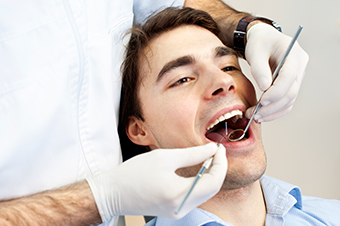 Learning how to prevent tooth decay naturally starts with building strong daily habits that support oral health.
Brushing your teeth twice a day with fluoride toothpaste helps remove plaque and strengthen enamel. Fluoride supports the natural remineralization process that protects teeth from acid damage.
Daily flossing is equally important because it removes food particles and bacteria from between the teeth where a toothbrush cannot reach.
A balanced diet also plays a major role in cavity prevention. Limiting sugary snacks and refined carbohydrates reduces the fuel that bacteria use to produce harmful acids. Choosing nutrient-rich foods such as vegetables, dairy products, and leafy greens helps support healthy teeth and gums.
Staying hydrated and maintaining healthy saliva production also helps neutralize acids in the mouth.
Regular dental visits remain one of the most effective ways to prevent cavities. Professional cleanings remove hardened plaque that cannot be removed through brushing alone. Routine checkups allow dentists to detect early signs of decay and provide timely treatment.
FAQ for Preventive Dentistry
How Often Should I Get a Dental Cleaning?
Most patients should have a professional dental cleaning every six months. Some individuals with gum disease or higher plaque buildup may benefit from more frequent visits.
What Happens During a Preventive Dental Visit?
A preventive dental visit usually includes an oral examination, professional cleaning, and sometimes X-rays. The dentist also evaluates gum health and screens for early signs of dental problems.
What Causes Tooth Decay?
Tooth decay occurs when bacteria in plaque produce acids that damage tooth enamel. Frequent consumption of sugary foods and poor oral hygiene increase the risk of cavities.
Can Tooth Decay Be Reversed Naturally?
Early enamel demineralization can sometimes be reversed through improved oral hygiene, fluoride exposure, and dietary changes. However, once a cavity forms, professional dental treatment is usually required.
How Can I Prevent Tooth Decay at Home?
Brushing twice daily, flossing every day, limiting sugary foods, and attending regular dental checkups are the most effective ways to prevent tooth decay.
Book Your Preventive Dentistry Appointment in Mississauga
Preventive care is one of the most effective ways to maintain a healthy smile and avoid complex dental problems in the future. If you have been wondering what preventive dentistry is and how it can benefit your oral health, our team at Trillium Smile Dentistry is here to help.
Contact our clinic today to schedule your next visit and experience the benefits of proactive dental care and preventive dentistry services.