 05 May 2023
Porcelain veneers last longer and look more natural, while composite veneers are faster to apply and more affordable. The right choice depends on your goals, budget, and timeline. Both options are popular cosmetic solutions for improving chipped, stained, uneven, or slightly misaligned teeth.
If you are comparing porcelain vs composite veneers, understanding how they differ in durability, appearance, and treatment process will help you choose the best option for your smile. This guide walks you through the key differences so you can make a confident, informed decision.
What Are the Types of Dental Veneers?
Veneers are thin shells bonded to the front surface of teeth to improve colour, shape, size, and symmetry. They are commonly used to treat discolouration, small gaps, minor misalignment, worn enamel, and chipped teeth.
There are two primary types of dental veneers:
- Porcelain veneers, which are fabricated in a lab and are known for their durability and natural translucency
- Composite veneers, which are sculpted directly onto the teeth using resin material
Both options are offered as part of modern cosmetic dentistry and can play an important role in a personalized smile makeover plan.
Porcelain vs Composite Veneers: What’s the Difference?
| Feature | Porcelain Veneers | Composite Veneers |
|---|---|---|
| Durability | Highly durable, resistant to wear and staining | Durable but more prone to chipping and wear |
| Cost | Higher initial investment | More affordable upfront |
| Appearance | Natural translucency, enamel-like finish | Good aesthetics but less light reflection |
| Maintenance | Minimal polishing needed, stain-resistant | May require periodic polishing and refinishing |
| Procedure Time | Typically 2 visits with lab fabrication | Often completed in 1 visit |
Which Veneers Look More Natural?
Porcelain veneers are widely regarded for their enamel-like translucency and light-reflecting qualities. They closely mimic the depth and gloss of natural teeth, especially under different lighting conditions.
Composite veneers can also produce beautiful results, particularly for minor cosmetic improvements. Because they are sculpted directly onto the tooth, they allow for artistic shaping and immediate adjustments. However, composite resin does not reflect light in quite the same way as porcelain and may lose some surface polish over time.
Porcelain also tends to resist staining more effectively, while composite veneers may gradually absorb pigments from coffee, tea, or wine.
Strength and Durability
Porcelain veneers offer strong long-term resistance to daily wear. They are less likely to chip or discolour and perform well under normal chewing pressure.
Composite veneers are durable but more prone to small chips and surface wear. One advantage is that they can often be repaired more easily if minor damage occurs. For patients who grind their teeth or place extra pressure on their bite, durability is an important factor to consider.
Longevity and Aftercare
Porcelain veneers typically last 10 to 15 years or longer with proper care. Composite veneers usually last between 5 and 7 years before requiring replacement or refinishing.
Both options require consistent oral hygiene and regular dental visits. Porcelain tends to maintain its appearance with less maintenance, while composite veneers may need occasional polishing to preserve their finish.
When Veneers May Not Be the Best Option
Veneers are an excellent cosmetic solution, but they are not suitable for every situation. Patients with untreated tooth decay or gum disease will need to address these issues before considering veneers. In cases of significant misalignment, orthodontic treatment may provide a more effective long-term solution.
Patients who grind their teeth may also require protective measures, such as a night guard, to prevent damage to veneers. Healthy enamel and overall oral health are important for long-term success. During a consultation, your dentist may recommend alternative cosmetic dentistry treatments that better suit your needs.
Choosing the Right Veneer Option Based on Your Smile Goals
Choosing between porcelain and composite veneers depends on your priorities. If your goal is long-term durability and the most natural appearance, porcelain veneers are often the preferred option. They maintain their colour, resist staining, and provide a refined finish that closely resembles natural enamel.
Composite veneers are ideal for patients looking for a faster and more affordable solution. They can often be completed in a single visit and are well-suited for minor cosmetic improvements or short-term enhancements.
Your lifestyle, budget, and expectations all play a role in determining the right option. The best results come from a personalized approach. A professional consultation allows you to explore cosmetic dentistry solutions tailored to your goals.
Are Veneers the Right Solution for Your Dental Needs?
Veneers are best suited for patients who want to improve surface-level concerns such as discolouration, minor chips, small gaps, or slightly uneven teeth. They are designed for cosmetic enhancement rather than correcting major structural or alignment issues.
Before treatment, your teeth and gums must be healthy. Any underlying concerns, such as decay or gum disease, need to be treated first. In some cases, alternative treatments may provide better long-term results.
A personalized evaluation helps determine the right approach. Your dentist can guide you through comprehensive dental care options to ensure your treatment supports both aesthetics and oral health.
What the Veneers Process Looks Like from Start to Finish
The process begins with a consultation and smile assessment. Your dentist will evaluate your teeth, discuss your goals, and determine the most suitable veneer option.
For porcelain veneers, a small amount of enamel is prepared before impressions are taken and sent to a dental lab. Composite veneers are typically applied and sculpted directly onto the teeth during a single visit.
Once ready, the veneers are bonded and adjusted to ensure a natural appearance and comfortable fit. Porcelain treatments usually take two visits, while composite treatments are often completed in one. Learn more about the veneers treatment process.
Comparing Long-Term Value: Investment vs Maintenance
When comparing porcelain vs composite veneers, it is important to consider long-term value rather than just initial cost. Porcelain veneers require a higher upfront investment but tend to last longer and require fewer replacements.
Composite veneers are more affordable initially but may need more frequent repairs or refinishing over time. Maintenance needs can vary based on lifestyle habits and oral care.
Focusing on long-term outcomes helps guide the right decision. A consultation can help you evaluate your options and schedule a veneers consultation based on your goals.
How Veneers Are Personalized at Trillium Smile Dentistry
At Trillium Smile Dentistry, veneer treatments are tailored to each patient. We consider your facial features, tooth shape, and aesthetic preferences to design a natural-looking smile.
Our clinic uses modern digital technology to plan and refine results with precision. During your consultation, we work with you to choose the ideal shade, shape, and material.
Our focus is on creating results that look natural while supporting long-term oral health. Learn more about our approach at Trillium Smile Dentistry.
Veneers FAQ
Can Veneers Stain Over Time?
Porcelain veneers are highly stain-resistant. Composite veneers are more prone to surface staining and may require polishing to maintain brightness.
Can I Switch from Composite to Porcelain Later?
Yes. Some patients begin with composite veneers and later transition to porcelain for longer-term durability and aesthetics. A consultation can determine suitability.
How Long Does the Procedure Take?
Composite veneers can often be completed in one appointment. Porcelain veneers typically require two visits, one for preparation and impressions and another for final placement.
Start Your Veneers Journey with Confidence
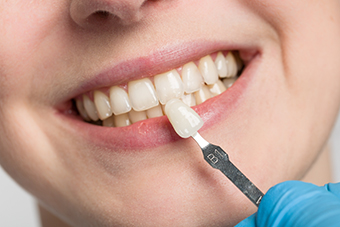 Choosing between porcelain and composite veneers is an important step toward improving your smile and confidence. With the right guidance, you can select a treatment that aligns with your goals and expectations.
At Trillium Smile Dentistry, we provide personalized care for patients in Mississauga. Our team is here to help you achieve natural-looking results with a plan tailored to you. Ready to take the next step? Book your consultation today.