
 10 Feb 2024
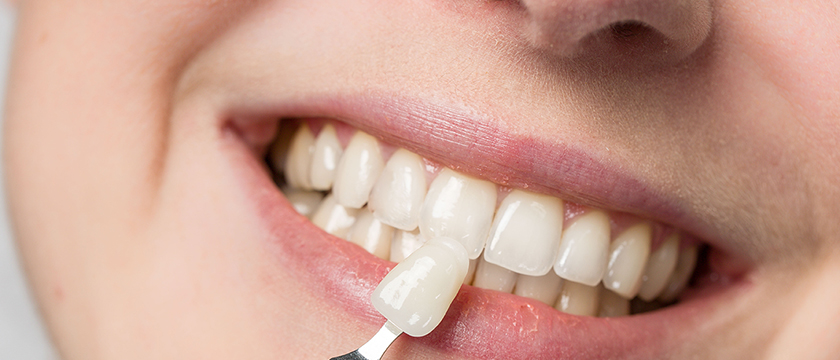
Dental veneers are one of the most popular cosmetic dentistry treatments for improving the appearance of a smile. These thin shells are designed to cover the front surface of teeth, helping correct issues such as stains, chips, uneven spacing, and minor misalignment. While veneers are durable and long-lasting, they still require proper maintenance.
Understanding how to care for dental veneers helps protect your investment and keep your smile looking bright for years. With the right daily habits and professional dental care, veneers can last well over a decade.
At Trillium Smile Dentistry, we guide patients through every stage of their smile transformation, from cosmetic planning to long-term maintenance through our cosmetic dentistry services.
Why Veneer Care Is Important
Although veneers are strong and designed to withstand everyday chewing, they still depend on healthy teeth and gums for support. Following proper dental veneer care instructions helps maintain the bond between the veneer and the natural tooth while protecting surrounding oral health.
Neglecting oral hygiene can allow plaque and bacteria to accumulate around the veneer margins. Over time, this may lead to gum irritation or tooth decay beneath the veneer. Proper care also helps prevent staining and surface wear that can affect the appearance of your smile.
Patients who follow a consistent veneer maintenance guide often find that their veneers stay bright, secure, and functional for many years. Regular dental visits also allow your dentist to monitor your veneers and detect small issues before they become larger problems.
Routine checkups and preventive care are an essential part of maintaining veneers. Learn more about ongoing oral health care through our comprehensive dental care services.
Daily Dental Veneer Care Instructions
Maintaining veneers begins with a consistent oral hygiene routine. These daily care instructions help keep both your veneers and natural teeth healthy.
Brush your teeth twice a day for at least two minutes using a soft-bristle toothbrush. Gentle brushing removes plaque and food particles while protecting the surface of your veneers from scratches.
Floss once daily to clean between teeth and along the gumline. This helps prevent bacteria from accumulating around the edges of veneers, where decay can develop.
When brushing your veneers, use small circular motions and avoid applying excessive pressure. Electric toothbrushes with pressure sensors can help ensure gentle cleaning.
Choose a non-abrasive toothpaste that contains fluoride. Toothpaste with large abrasive particles or baking soda may scratch the veneer surface and reduce its shine.
Patients should also rinse with alcohol free mouthwash when brushing is not possible after meals. These simple habits are essential to maintain dental veneers and protect the health of surrounding teeth and gums.
Preventive dental visits also play an important role in long-term veneer care. Learn more about maintaining oral health through preventive dentistry.
How to Clean Dental Veneers Properly
Many patients wonder how to clean dental veneers without damaging them. Fortunately, veneers do not require complicated care, but they do benefit from gentle cleaning methods.
Always use a soft-bristle toothbrush to avoid scratching the veneer surface. Hard bristle brushes can create tiny abrasions that make veneers appear dull over time.
Non-abrasive fluoride toothpaste is recommended for daily use. Avoid gritty or highly abrasive whitening toothpastes, which may damage the polished surface of veneers.
While veneers themselves cannot develop cavities, the underlying teeth still can. Thorough brushing and flossing remain essential for protecting the tooth structure beneath the veneer.
Professional dental cleanings are also an important part of any veneer maintenance routine. During regular visits, your dental hygienist can remove plaque buildup and gently polish veneers to keep them looking bright.
Foods to Avoid with Veneers
Diet also plays a role in maintaining dental veneers. While veneers are durable, certain foods and habits may increase the risk of damage or staining.
Patients should be cautious with very hard foods such as ice, hard candy, or uncut raw vegetables. Biting directly into these foods with front teeth may place excess pressure on veneers. Cutting foods like apples or carrots into smaller pieces helps reduce this risk.
Sticky foods may also place stress on veneers and increase the chance of pulling at the edges of dental restorations.
Dark coloured foods and beverages can contribute to staining over time. Coffee, tea, red wine, tomato sauce, berries, and curry are common examples. Using a straw for darker beverages can help limit contact with veneers.
Patients who are concerned about tooth staining may also explore cosmetic treatments such as teeth whitening to maintain a balanced smile.
Maintaining a healthy diet that supports oral health is also an important part of preventive dental care.
How to Maintain Dental Veneers Long-Term
Learning how to maintain dental veneers long-term helps extend their lifespan and preserve their appearance.
Regular dental visits are one of the most important factors in veneer longevity. Dentists typically recommend checkups and professional cleanings every six months. These appointments allow your dental team to evaluate the condition of your veneers and monitor overall oral health.
Patients who grind their teeth may need to wear a custom nightguard while sleeping. Grinding places significant pressure on teeth and can cause veneers to chip or wear prematurely.
It is also important to avoid habits that place unnecessary stress on veneers. Do not chew on pens, fingernails, or ice, and avoid using teeth to open packaging.
Athletes who participate in contact sports should wear a mouthguard to protect their teeth and veneers from impact injuries.
Following our veneer maintenance guide, including oral hygiene, preventive care, and protective habits, can help veneers last 10 years or longer.
Dental Veneers FAQ
Can Veneers Chip or Break?
Yes, veneers can chip if they are exposed to excessive force. Avoid biting hard objects such as ice or pens, and wear a mouthguard if you play contact sports or grind your teeth.
Do I Need Special Toothpaste for Veneers?
Most dentists recommend non-abrasive fluoride toothpaste. Avoid gritty or heavily abrasive formulas that could scratch the veneer surface.
How Often Should Veneers Be Checked by a Dentist?
Dental veneers should be evaluated during regular dental checkups, typically every six months. Routine visits allow your dentist to monitor veneer stability and oral health.
Can I Whiten My Veneers?
Traditional whitening treatments do not change the colour of veneers. However, professional dental cleanings can remove surface stains and help maintain their brightness.
Book a Veneer Checkup at Trillium Smile Dentistry
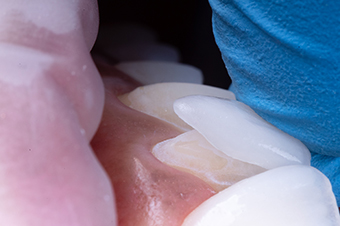 If you would like personalized advice on how to care for your dental veneers, the team at Trillium Smile Dentistry is here to help. Regular exams and preventive care ensure your veneers remain healthy, secure, and beautiful for years to come.
Learn more about veneers and cosmetic smile improvements or schedule your next dental visit today.