 17 Sep 2023
Medically reviewed by Dr. Zahra Tousi, Trillium Smile Dentistry
Last updated: May 2026
Invisalign rubber bands are sometimes used during Invisalign treatment to help correct bite alignment and guide tooth movement more effectively. While many Invisalign patients only wear clear aligners, some cases may also require Invisalign elastics to achieve the best possible results.
If your dentist recommends rubber bands for Invisalign, there is no need to worry. These small elastics are commonly used to help address concerns such as overbites, underbites, and other bite-related issues. Understanding how Invisalign rubber bands work and how to wear them properly can help keep your treatment on track and support a healthier, more balanced smile.
What Are Invisalign Rubber Bands?
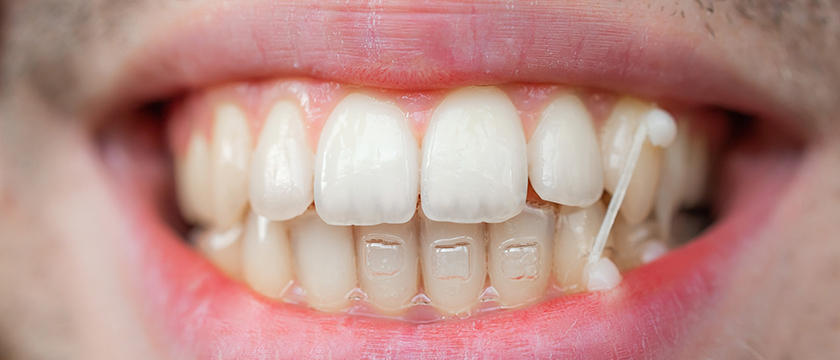
Invisalign rubber bands, also called Invisalign elastics, are small elastic bands attached to specific points on your teeth or aligners during treatment. Depending on your case, your dentist may recommend them to help apply additional pressure that aligners alone may not be able to achieve.
These elastics are commonly used to improve bite alignment, especially in patients with:
- Overbites
- Underbites
- Crossbites
- Open bites
To hold the bands in place, small attachments may be bonded to certain teeth or integrated into your aligners. These attachments are designed to be as discreet as possible while supporting your Invisalign treatment plan.
Not all Invisalign patients need rubber bands. Your dentist will determine whether they are appropriate based on your bite, tooth movement goals, and overall orthodontic needs.
Why Are Rubber Bands Used with Invisalign?
Invisalign aligners are designed to move teeth gradually into better alignment, but certain bite corrections may require additional force and direction. Invisalign rubber bands help create this extra pressure by encouraging the upper and lower teeth to move together in a more balanced position.
Depending on your orthodontic needs, Invisalign elastics may help improve:
- Overbites
- Underbites
- Jaw alignment
- Bite symmetry
- Tooth positioning during complex movements
Rubber bands are often recommended for patients whose treatment involves correcting how the teeth fit together, not just straightening individual teeth. Wearing them consistently may help improve treatment efficiency and overall results.
Because orthodontic treatment works gradually, bite correction may take time. Small, gradual tooth movements are normal during orthodontic treatment, and your dentist will monitor your progress throughout the process.
How to Wear & Change Invisalign Rubber Bands
Before wearing Invisalign rubber bands, your dentist will place the necessary attachments and show you exactly how to position the elastics correctly. Following these instructions carefully is important for keeping your treatment progressing as planned.
In most cases, you will:
- Attach the elastic to the lower attachment first
- Stretch the band upward to connect it to the upper attachment
- Ensure the band sits securely in place without twisting
Your dentist will explain how often you should replace your elastics. Many patients are instructed to change their Invisalign rubber bands multiple times throughout the day to maintain consistent tension.
For best results:
- Wear your elastics exactly as instructed
- Remove them only when eating or brushing your teeth, unless told otherwise
- Keep extra elastics with you throughout the day
- Replace stretched or broken bands promptly
Consistent wear is one of the most important parts of successful Invisalign treatment. If elastics are not worn as directed, tooth movement and bite correction may take longer than expected.
Learn more about your Invisalign treatment plan.
Tips for Adjusting to Invisalign Elastics
It can take a few days to get used to wearing Invisalign rubber bands, especially when speaking or removing your aligners. Mild pressure or soreness is common when elastics are first introduced because your teeth and bite are adjusting to the added force.
Many patients find it helpful to:
- Carry extra elastics when away from home
- Use a mirror when putting bands on initially
- Follow a consistent wear schedule
- Replace broken elastics right away
- Continue attending regular Invisalign checkups
If a rubber band snaps occasionally, it is usually not a cause for concern. Simply replace it with a new one as instructed by your dentist. However, if elastics break frequently or attachments become loose, contact your dental office so the issue can be evaluated.
Staying consistent with your Invisalign elastics may help keep your treatment progressing efficiently and reduce unnecessary delays.
Caring for Your Teeth While Wearing Invisalign Elastics

Your oral hygiene routine should remain consistent throughout Invisalign treatment. Remove your aligners before eating or drinking anything except water, and clean your trays regularly using water and a recommended aligner cleaner.
You should also brush carefully around any attachments bonded to your teeth. If an attachment becomes loose or falls off, contact your dentist as soon as possible so it can be repaired and your treatment can continue properly.
Keeping your aligners and elastics clean may help reduce irritation and support better overall oral health during treatment.
FAQs About Invisalign Rubber Bands
What Happens If I Don’t Wear My Rubber Bands?
Not wearing your Invisalign rubber bands consistently may affect how your teeth and bite respond to treatment. In some cases, treatment timelines may become longer or planned tooth movements may not progress as expected. Following your dentist’s instructions carefully can help keep your Invisalign treatment on schedule.
Do All Invisalign Patients Need Rubber Bands?
No. Invisalign rubber bands are typically recommended only for certain orthodontic cases involving bite correction or more complex tooth movement. Many Invisalign patients achieve successful results using aligners alone, while others may benefit from elastics depending on their treatment goals.
How Often Do I Change My Invisalign Elastics?
Most patients are instructed to replace their elastics several times a day to maintain proper tension. Because rubber bands gradually lose elasticity over time, changing them regularly helps ensure consistent pressure throughout treatment. Your dentist will explain the ideal replacement schedule for your specific case.
Talk to a Mississauga Invisalign Provider
If you have questions about Invisalign rubber bands or are considering Invisalign treatment in Mississauga, the team at Trillium Smile Dentistry is here to help. We provide personalized Invisalign care tailored to your smile goals, bite alignment, and overall oral health needs.
Our team will explain every stage of your Invisalign treatment clearly, including whether elastics may be recommended as part of your care plan.
Learn more about Invisalign treatment or book your appointment today.